

No. We award grants to eligible nonprofit 501(c)(3) organizations, organizations using a nonprofit fiscal agent, and municipal or governmental agencies only.
Yes. Organizations that are based outside of Eastern Connecticut may apply if the work described in the grant application and the accompanying budget are clearly to be carried out in one or more of the towns in our communities.
We do not generally fund projects or support educational initiatives that are more appropriately the subject of public funding. A proposal from a public or charter school would need to be for a special project or initiative not normally covered by the school’s publicly funded budget. For example, we would consider an application for an afterschool enrichment program, but not for the development of a new math curriculum for the district.
Regarding private schools, we do not generally fund projects that serve only a discrete and fixed group of individuals without also having a broader public benefit.
Yes. We do not fund religious activities of any kind, but religious organizations are eligible for grants if activities are non-discriminatory, non-sectarian, and benefit the larger community.
Yes, we will consider a grant request from a municipality for support of a specific and time-limited project.
It depends.
- Advocacy: $5,000 to $30,000
- Animal Welfare: $5,000 to $35,000
- Arts & Culture: $5,000 to $30,000
- Basic Needs: $5,000 to $30,000
- Children & Youth: $5,000 to $30,000
- Environmental: $10,000 to $50,000
- Women & Girls: up to $20,000
Yes, through the Community Impact Grants if you are requesting program/project funding or general operating funds. You can request up to three years of funding.
Yes. Organizations may apply for more than one grant opportunity, but may submit only one application per opportunity. For example, you may apply for both an Environmental Grant and an Animal Welfare Grant, but not submit two applications for the same grant opportunity.
For the annual grant cycle, organizations should generally apply in only one category. If you have received grants from multiple cycles in the past, please contact a program officer for guidance.
We are committed to moving the community impact priorities of our strategic plan forward so our committees will favor those proposals. However, we encourage you to contact us at grants@cfect.org or 860-442-3572 about ideas that fall outside of those priorities.
Yes, we support capacity building through some of our grant opportunities. While grants can be up to $20,000, most will be in the $5,000-$10,000 range. We define capacity building as strengthening an organization’s board and/or staff, typically by engaging with a consultant regarding specific needs such as:
- Strategic planning and organizational assessment
- Board and staff development & training
- Improving financial management
- Fundraising, marketing, and communications planning
- Feasibility assessment and implementation of mergers and strategic alliances
Organizations interested in capacity building grants should contact us at grants@cfect.org or 860-442-3572 to discuss your capacity building needs before you begin the application process.
We provide funding for public policy grants in our four strategic impact areas. We support advocacy initiatives that seek to influence decision makers at various levels, for example:
- Public education
- Network formation
- Relationship building
- Lobbying on legislation
Please contact us at grants@cfect.org to discuss your ideas for grant funding in advance of submission.
Advocacy for public charities is a broad concept and incorporates communication about the mission, lobbying for legal or policy change, and even nonpartisan voter education. “Nonprofit advocacy is legal, needed, and easy,” to quote the National Council of Nonprofits.
Advocacy can help nonprofits advance their mission, increase their funding sources, and solve community and societal problems. Advocacy also allows nonprofits to advance the issues they care about and help bring about lasting change for the people and communities they serve.
As an example, we have made grants to She Leads Justice (formerly Connecticut Women’s Education and Legal Fund) in support of its public policy work at the State Capitol. Specifically, She Leads Justice worked with the Foundation’s Women & Girls Fund Task Force on Public Policy to support the passage of Paid Family and Medical Leave in 2019.
Systems change addresses the root causes of social problems, which are often intractable and embedded in networks of cause and effect. It is an intentional process designed to fundamentally alter the components and structures that cause the system to behave in a certain way.
An example of a systems change grant: Connecticut Coalition to End Homelessness received grants from the Foundation to create and maintain a data-driven program for nonprofits in eastern Connecticut that tracks at-risk individuals for rapid rehousing and homelessness prevention. Implementation of this program resulted in a decrease in homeless individuals in eastern Connecticut.
For each grant opportunity, a committee of staff and community volunteers reviews the applications and makes funding recommendations.
We use a mix of unrestricted, field of interest and donor advised funds in most of our grantmaking. We may share strong proposals that align with donor interest with our donors. Our donor advisors do not accept direct requests for funding.
Yes. You do not need to submit a report on a previous grant project to apply for a new grant, but you will have to submit an interim or final grant report before we will release any new grant funding.
If you are new to the Foundation or are applying for a new program
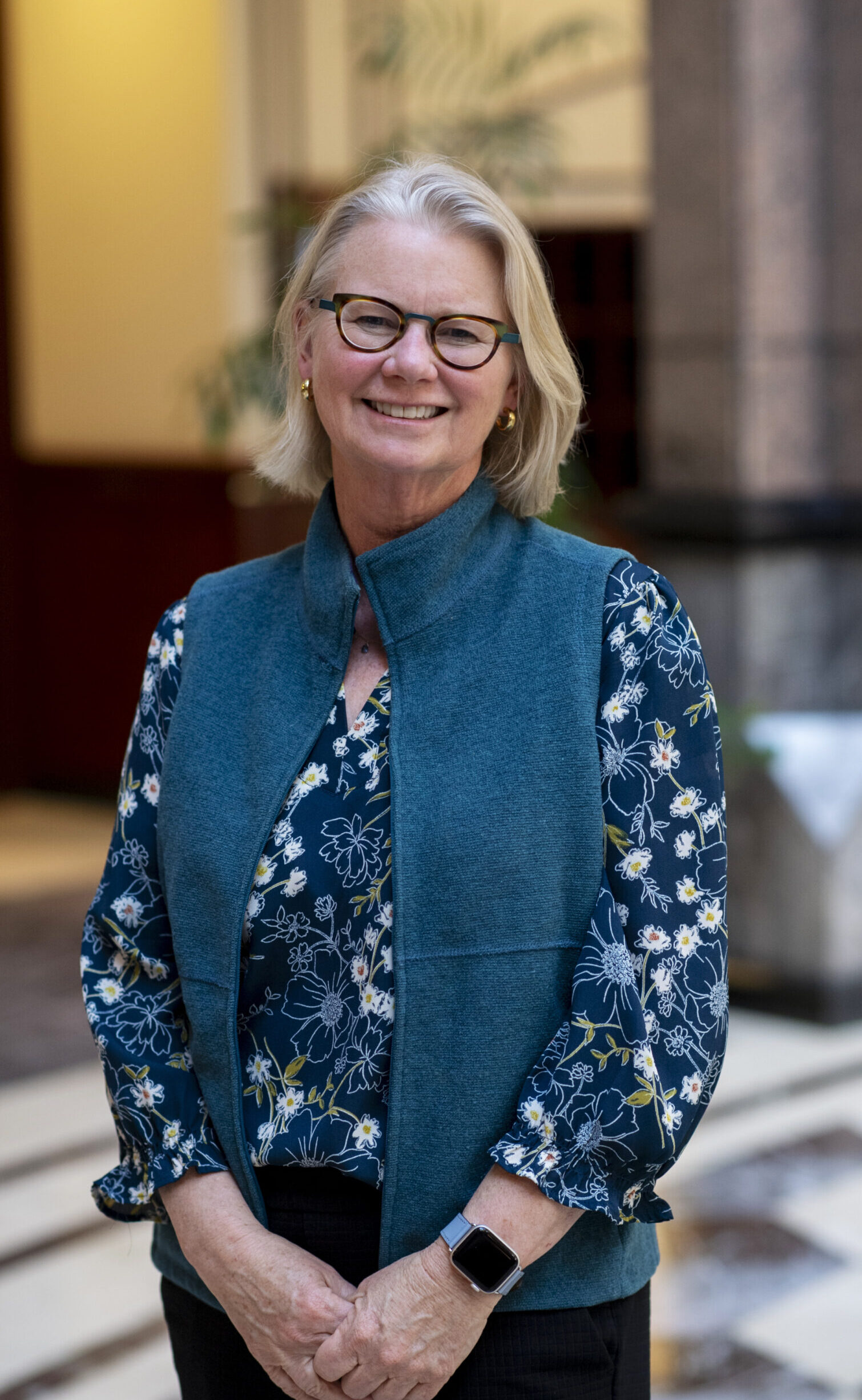
Contact Jennifer O’Brien at 860.442.3572 or email Jennifer to introduce your organization and discuss your intended grant application.
Contact Jennifer O’Brien at 860.442.3572 or email Jennifer to introduce your organization and discuss your intended grant application.
