
by Alison Cross a.cross@theday.com
Published October 13, 2026
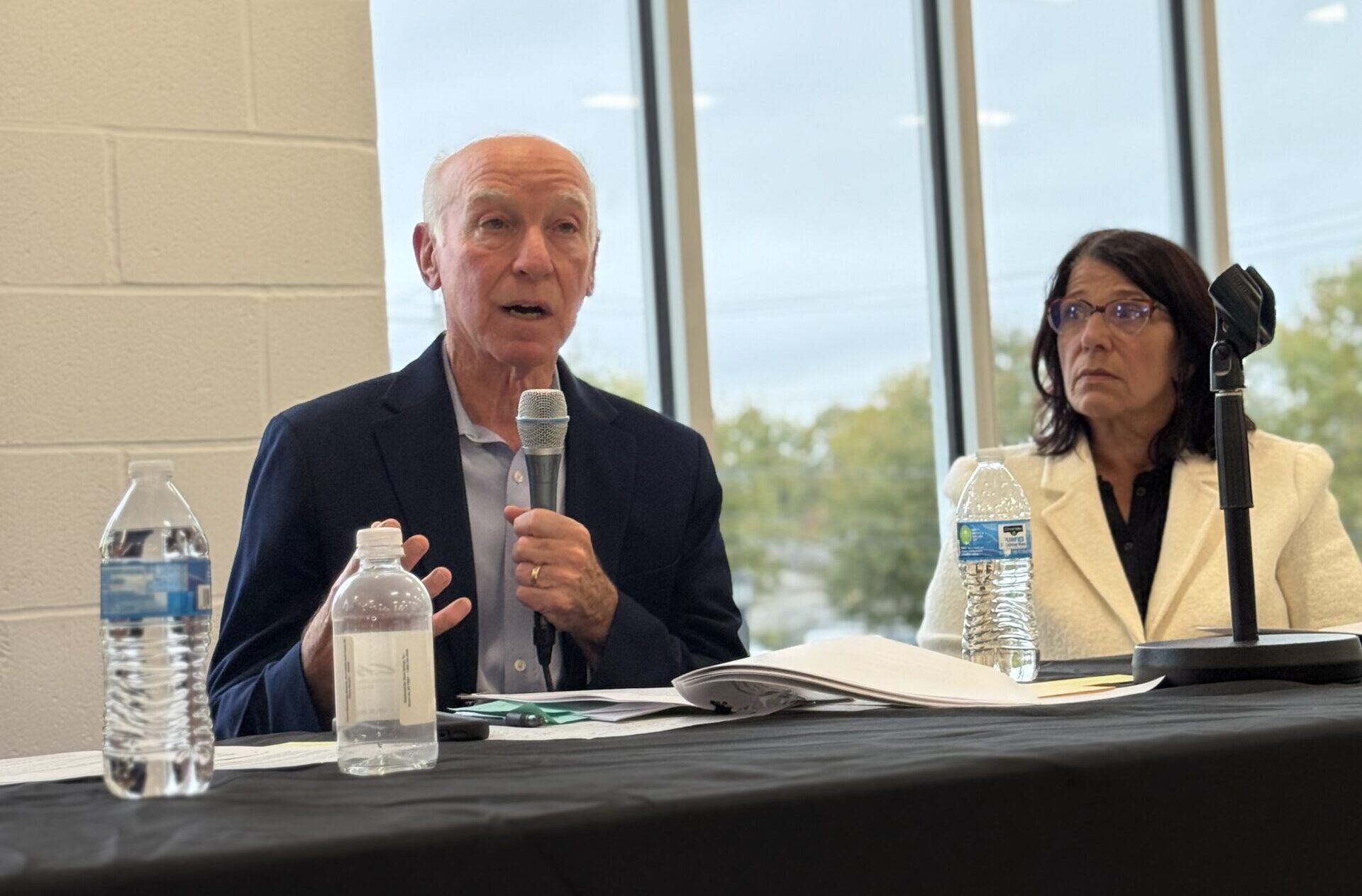
New London — Congressman Joe Courtney, D-2nd District, met with housing advocates, builders and Realtors on Tuesday for a comprehensive discussion on the 21st Century ROAD to Housing Act, Congress’ bipartisan solution to the national housing crisis.
Beth Sabilia, the director of the Center for Housing Opportunity Eastern Connecticut, who moderated the event at the New London Community Recreation Center, said that the legislation, which became law in July, covers everything from building more homes and streamlining approval for manufactured and modular units, to preserving existing housing stock and improving housing vouchers for veterans.
She said that Tuesday’s panel was meant to explore how the law will impact eastern Connecticut and answer the question of “What happens next?”
“Passing law is one thing,” Sabilia said. “Making sure it actually results in having more housing, preserves the housing we already have, helps people buy homes, and creates opportunities that small and rural communities can actually use is something else.”
Courtney said that Congress “is under a magnifying glass” to make sure that we actually follow up and allocate resources to implement the legislation.
As eastern Connecticut’s job market has grown, Courtney said “the ripple effect into the housing market has been profound,” increasing housing prices and accelerating evictions among low-income tenants and seniors.
Courtney said that the legislation includes provisions that are designed to grow the housing market and “move the market faster.”
“As a country, you know, we have an obligation to make sure that people have a safe place to live,” Courtney said.
“I think really the thing that sort of got people who were not normally political bedfellows to actually work together in terms of putting this bill together was the fact that the urgency and the need had just sort of reached a tipping point,” Courtney added.
Susy Hurlburt, the CEO of the Eastern Connecticut Association of Realtors, said that housing prices have increased by 63% since the COVID-19 pandemic.
In order to purchase a $450,000 home — the region’s median — Hurlburt said a family would need to earn an annual income of $140,000 in order to meet recommended housing affordability guidelines.
“The median household income in our region is approximately $87,000,” Hurlburt said. “That’s the gap that we’re talking about.”
At the same time, Hurlburt said that the median age of a first-time home buyer has risen from 30 years old in 2010 to 40 years old today.
“That is 10 years of lost wealth building,” Hurlburt said.
Hurlburt said that attainable modular manufactured housing provisions in the legislation show real promise, adding that Connecticut needs to offer “smaller ownership options” like condos, townhomes, accessory apartments and well-designed small homes that are easier to build and finance.
Jim Perras, the CEO of the Homebuilders & Remodelers Association of Connecticut, said that today, the average newly constructed home in Connecticut costs between $750,000 and $900,000. Perras said that starter homes average $550,000.
“We have a problem of affordability before the house’s foundation is even laid,” Perras said.
Perras said that builders and developers “don’t … wake up in the morning and want to build McMansions.” However, he said that local zoning, frontage, setback and infrastructure requirements often “preclude them from building anything but those McMansions to make a dollar.”
Perras said that the issue is “not so much finding the land per se, it’s finding the land that’s properly zoned for attainable housing.”
“These guys and gals can pivot on a dime to build what’s needed. They just need the regulatory infrastructure to do it,” Perras said.
With Electric Boat on track to hire 8,000 new employees by the end of the year, Perras said that reports suggest “that Southeastern Connecticut will need 18,000 new housing units by the year 2035.” Last year, Perras said, Connecticut added only 7,500 housing units across the entire state.
Perras said that even if the legislation managed to bring housing construction back on pace with the turn of the century, when the state was building upwards of 12,000 units per year, it still may not be enough to fill the region’s needs.
Under these conditions, Perras said, it may be time to discuss whether “home rule makes a whole lot of sense.”
“We might need to take a more holistic look at compelling development in our state rather than incentivizing it,” Perras said.
When it comes to preserving existing housing units, Seila Mosquera-Bruno, the commissioner of the Connecticut Department of Housing, said that legislation will ban large developers from buying single-family homes starting in January 2027 — something that she said “will make a difference without having to wait.”
Chelsea Ross, the executive director of the Partnership For Strong Communities, said that Connecticut is “well positioned to take advantage of all the opportunities that this bill lays out.” However, she said that ultimately “local leadership will decide what we do with” with new federal incentives.
“More money isn’t the goal. More rules aren’t the goal It’s more people being stably housed,” Ross said.
In addition to watching funding and how regulations in the bill are implemented, Ross said she will be paying attention to conversations on the ground.
From the barbershop to the grocery store, Ross said that everywhere, “people are talking about how their kid can’t come back home, their mom can’t downsize.”
“I want to hear less of those stories,” Ross said. “That’s how I’ll know it’s working.”